Insights from Our Advisory Board Members William Lippert: Lessons from Drone Attacks in Russia and Iran
Published on 24th June, 2025

William Lippert is a senior criminal intelligence analyst and PhD candidate, with more than 25 years of experience in the fields of crime intelligence and defense policy analysis. For six years he worked in various jobs for the US Department of Defense, including for the Defense Intelligence Agency and the Hart-Rudman Commission.
At DIA, he was an all-source strategic counterdrug analyst focusing on South America.
He left the US to work for INTERPOL in Lyon, France, where he had a variety of tasks as a crime intelligence analyst for terrorism, organized crime, major event security and threats, and general transnational crime.
Mr. Lippert is currently pursuing a PhD at Leiden University, Netherlands, focused on conventional arms control in Europe
Lessons from Drone Attacks in Russia and Iran
William Lippert (June 2025)
The two recent attacks in Russia and Iran using small, short-range drones demonstrate this tactic’s threat and the challenges in countering it.
Russia has been in a state of war with Ukraine since February 2022, and had even before the attacks Russia had experienced deep, long-range strikes from various weapon systems.
Iran has had several clashes with Israel in the past few years and, in general, maintains a relatively high state of alert and vigilance against continued attacks.
Thus, the two target nations were neither complacent nor unaware of the general threat they faced. They did not maintain a lax security posture brought about by a false sense of peace. Indeed, both have substantial internal and external security apparatuses.
That these two nations were successfully attacked by their enemies with this tactic should alarm all nations and private organizations about the threats they face.
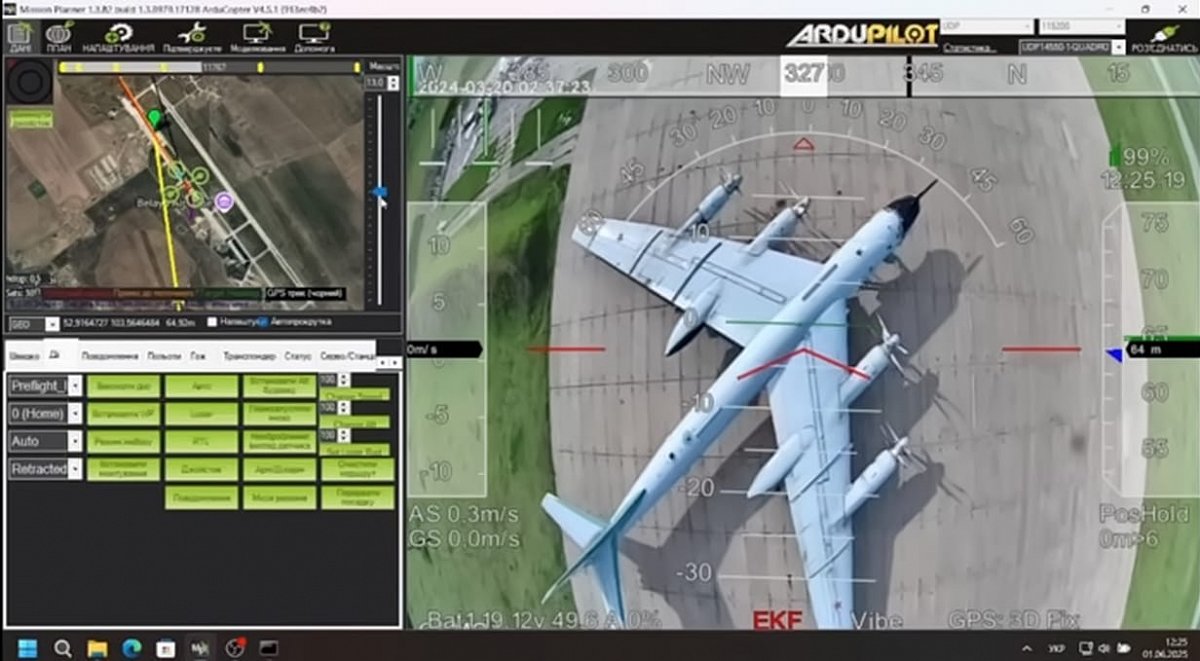
To summarize: on 1 June 2025, Ukrainian forces attacked several Russian airfields far from the front lines, destroying or damaging perhaps two dozen high-value, medium and heavy strategic bombers and other large-body aircraft.
The Ukrainians had spent over a year preparing for the operation that involved launching hundreds of relatively small, first-person view (FPV) drones directly from a truck’s cargo area located close to their targets. The truck itself was externally indistinguishable from other civilian trucks. The drones were guided by operators in Ukraine who were connected to the drones via Russia’s own 4G mobile network.
Several videos show the strikes that targeted the aircrafts’ vulnerable areas. These aircraft are not only difficult to replace, but the Tu-95 Bear bombers are a key component of Russia’s strategic nuclear forces.
To complicate investigations, the trucks self-destructed after the drones had been launched. Among the attack’s unique and unexpected tactics was Ukraine’s ability to set up the drones and trucks and drive them so close to the airfields that were far – in some cases thousands of kilometers – from Ukraine.
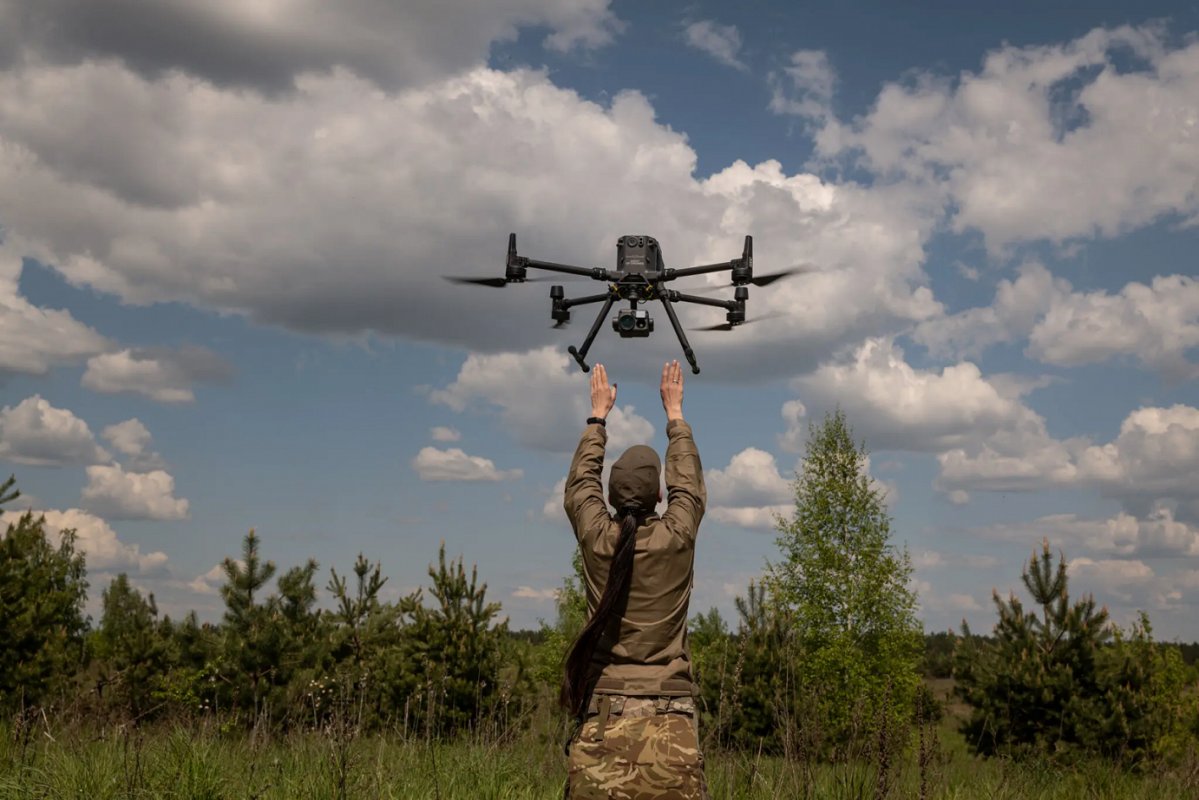
On 13 June 2025, Israel opened up its campaign against Iran with drone attacks and other weapons launched from within Iran. Some of the attacks involved drones concealed in trucks. The primary targets were air defense systems that posed a risk to Israeli combat aircraft operating in or near Iranian airspace. This attack involved setting up the drones in an apartment in Tehran and the use of local Iranian agents recruited by Israel.
No one has doubted the threat that drones pose since at least the large-scale use of the weapons by ISIS in Syria and Iraq almost a decade ago.
The weapons’ revolutionary effect on warfare and security was reinforced and further emphasized when Ukraine began using FPV drones against Russian vehicles en masse. Drones’ relatively low cost, commercial availability, and relative ease of use make them an ideal weapon system for a variety of requirements and users. Explosive, one-way FPV drones are not only enormously valuable to national militaries and national clandestine services, but also for terror groups and criminals that target government, civil society, and other terror and criminal groups.
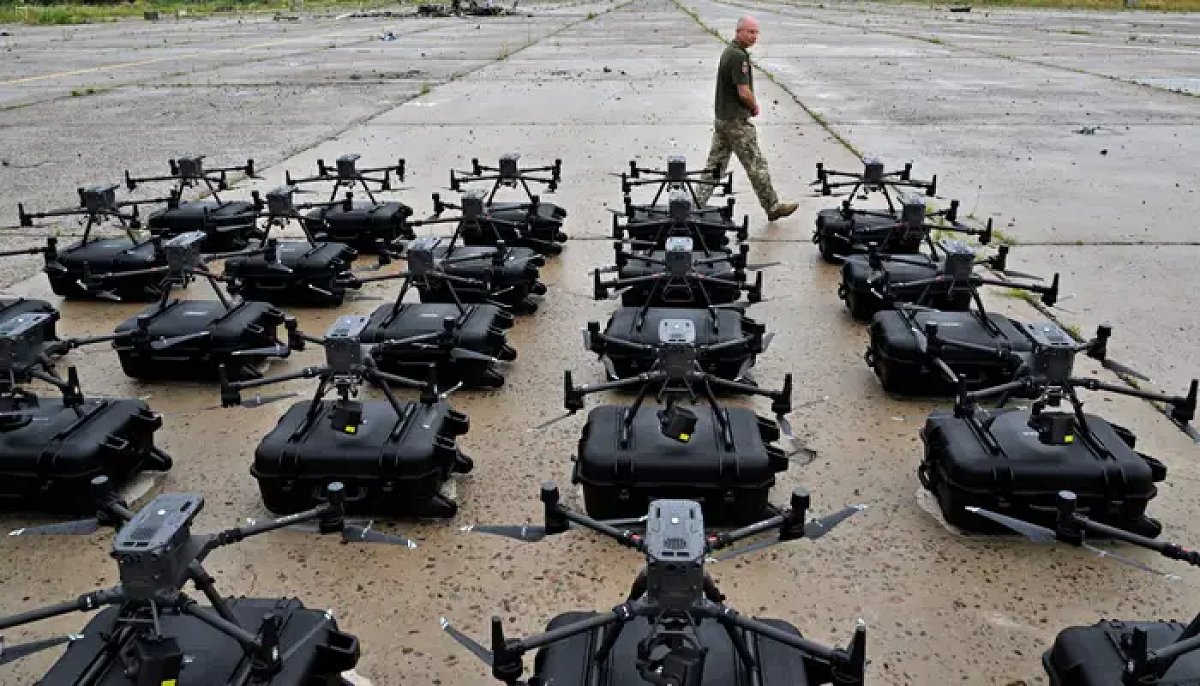
One of the challenges that the two operations discussed above demonstrated was the difficulty in identifying drones carried and launched from otherwise innocuous vehicles.
While other weapons such as anti-tank missiles or mortars might be concealed in a civilian vehicle, no other weapon system can be fired or launched against so many targets so quickly.Dozens of drones might be launched from a small truck to precisely strike dozens of targets in just a few minutes.
Similar weapons might have both a longer setup and a much, much lower rate of fire. The ability to remotely control drones from anywhere on the planet is an additional, unique and tactically advantageous if not revolutionary capability. Even if a local mobile data network is not available, satellite internet connections such as Starlink would likely be sufficient.
Interestingly, the notion of concealing and firing weapons from within a nondescript vehicle is hardly new nor original. In the 1997 film The Jackal, the main antagonist uses an FPV and a remote-controlled large-caliber gun concealed in a civilian car to target and shoot at a senior US political figure. More recently, in the film Angel Has Fallen, the antagonists target the US President and his large US Secret Service detail using FPV drones launched from a van with what appears to be facial-ID and AI-assisted targeting.
One of the major challenges with drones compared to many other weapons is that drones have a relatively longer range and do not require direct line-of-sight to their target. In general, direct-fire weapons offer accuracy compared to indirect fire weapons; but indirect fire weapons offer much greater ranges. Prior to the advent of militarized small drones, non-direct line of sight accurate weapons required both a relatively extensive and robust targeting apparatus and the weapon itself was expensive. FPV drones offer range and accuracy at low cost.
Physical security often relies in part on preventing direct-fire weapons within a relatively small range due to the challenges of securing large areas. Drones, however, as Angel Has Fallen and the two recent attacks in Russia and Iran showed overcome normal, existing protection measures. Thus, for many reasons, preventing these types of drone attacks is difficult because detecting the launch platform is difficult. In most scenarios, it is simply not possible to inspect every single civilian vehicle within the range of a typical FPV drone.
Moreover, dedicated and determined attackers might still overcome even the most thorough prevention measures by increasing drones’ range with larger or additional batteries, or by using different concealment methods.
There are many ways to counter small FPV drones, but none of them are anywhere near perfect – as Ukraine and Russia know very well. Every counter has disadvantages, and may not be applicable in every protective environment.
**One common way to counter drones is with bullets fired by anti-aircraft guns or regular combat rifles. **
This, however, might not be an appropriate tactic in an otherwise peaceful environment, such as a public rally or gathering or within an urban area where the population is otherwise not expecting an attack and is not under cover. Moreover, most handheld weapons and their shooters might struggle to hit fast-moving drones.
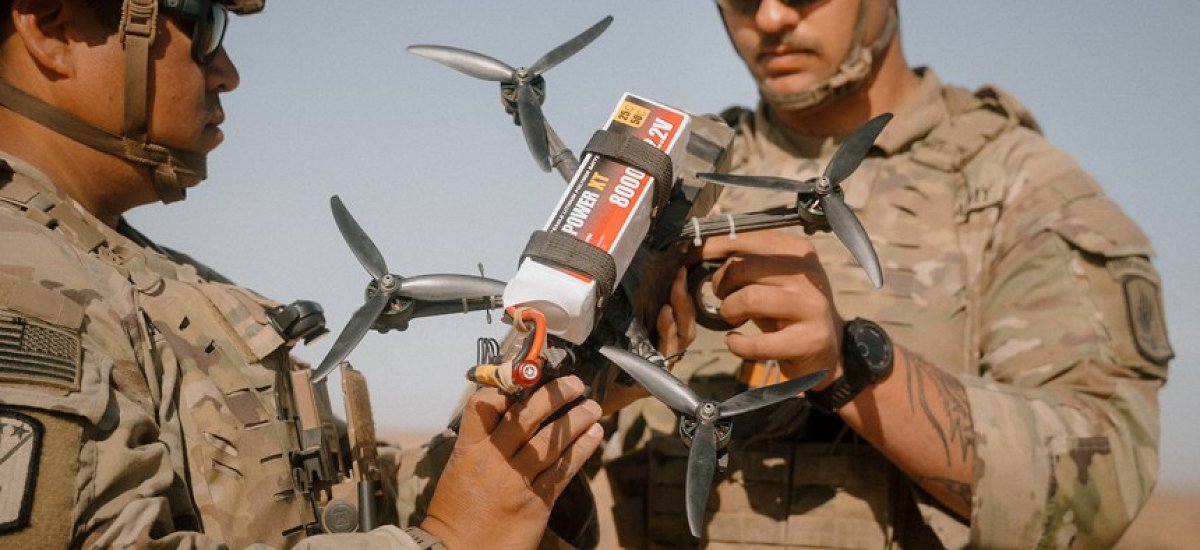
Guided point defenses, such as a the German-made Gepard, are able to shoot more accurately and at greater range than a rifle, but (aside from the issue of shooting in a populated area or hitting civilian aircraft) these are not always available – especially to non-governmental organizations. Moreover, their operation requires trained personnel and energy which may not always be available.
Jammers are increasingly popular but are ineffective against any drones that are not relying on a radio signal, either due to AI guidance and targeting and/or use of a fiber-optic control cable. Jammers also require aiming – thus usually visually detecting the drones – which may not be possible in time. A gun-fired net is effective, but has limited range and with only one or a few rounds per gun, might be ineffective against a large number of drones.
Lastly, drones can be used against drones. This, however, may be time-consuming and may not be effective against any fast-moving drones.
Almost all active defenses are likely to be easily overwhelmed by large numbers of drones. In the time that one or two are destroyed, several more can evade the active defenses and strike their targets.
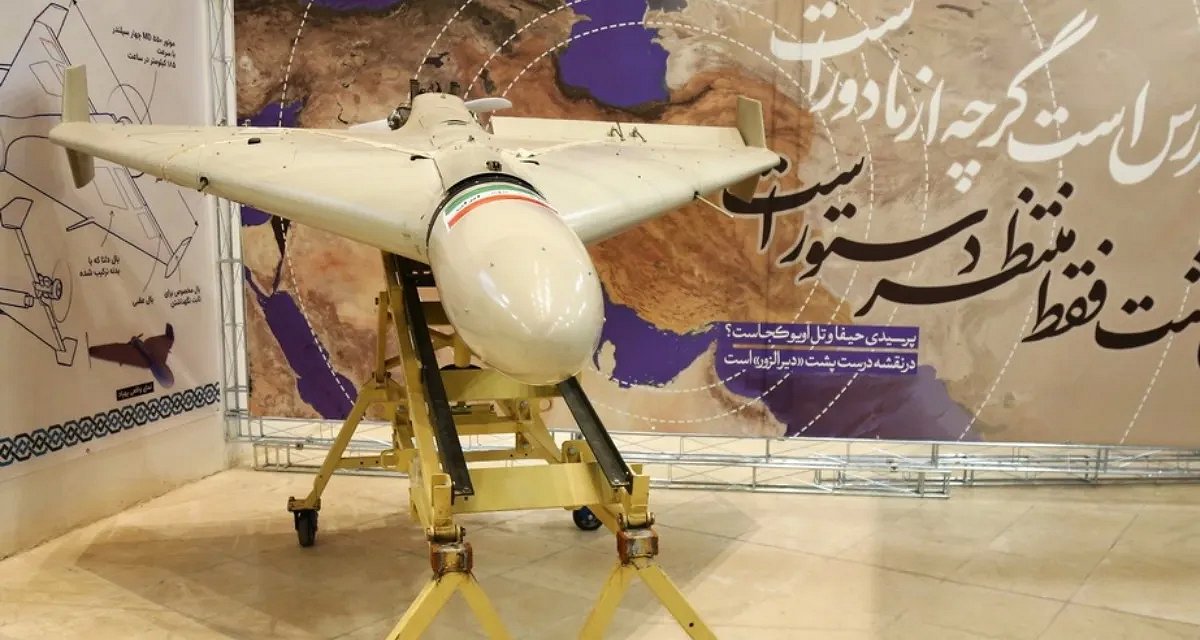
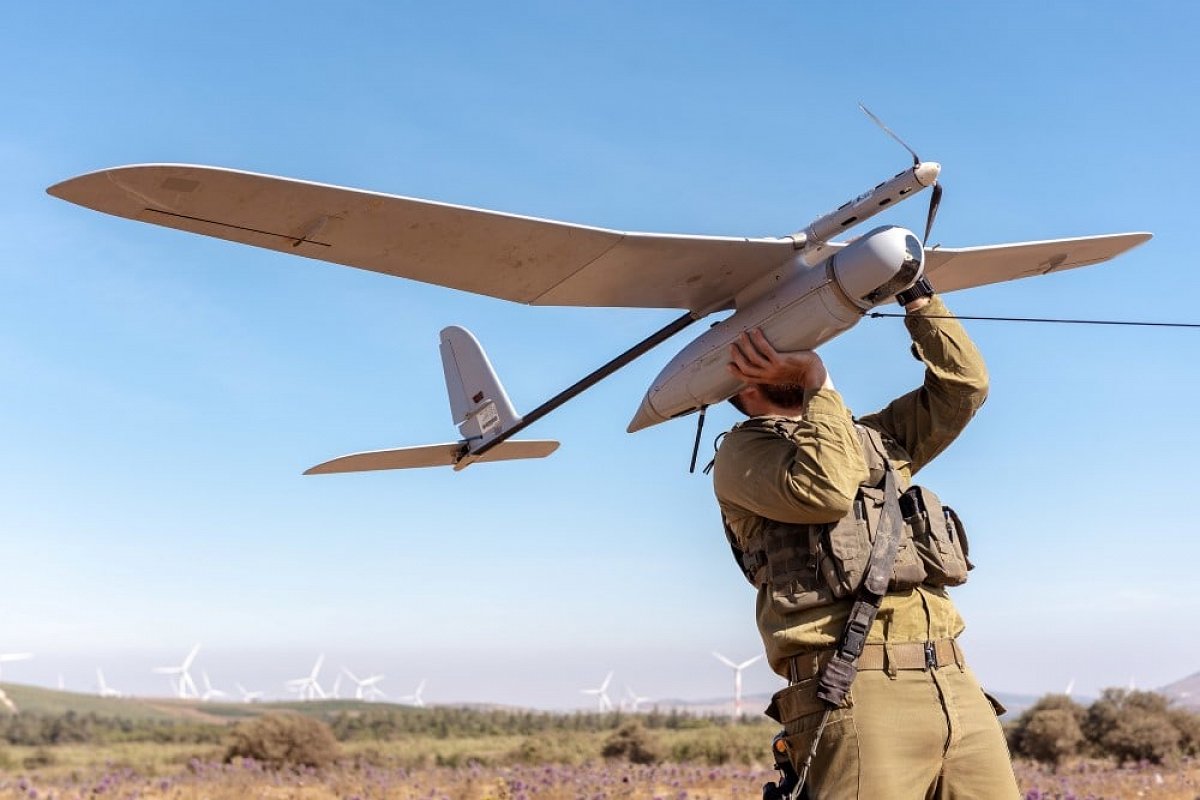
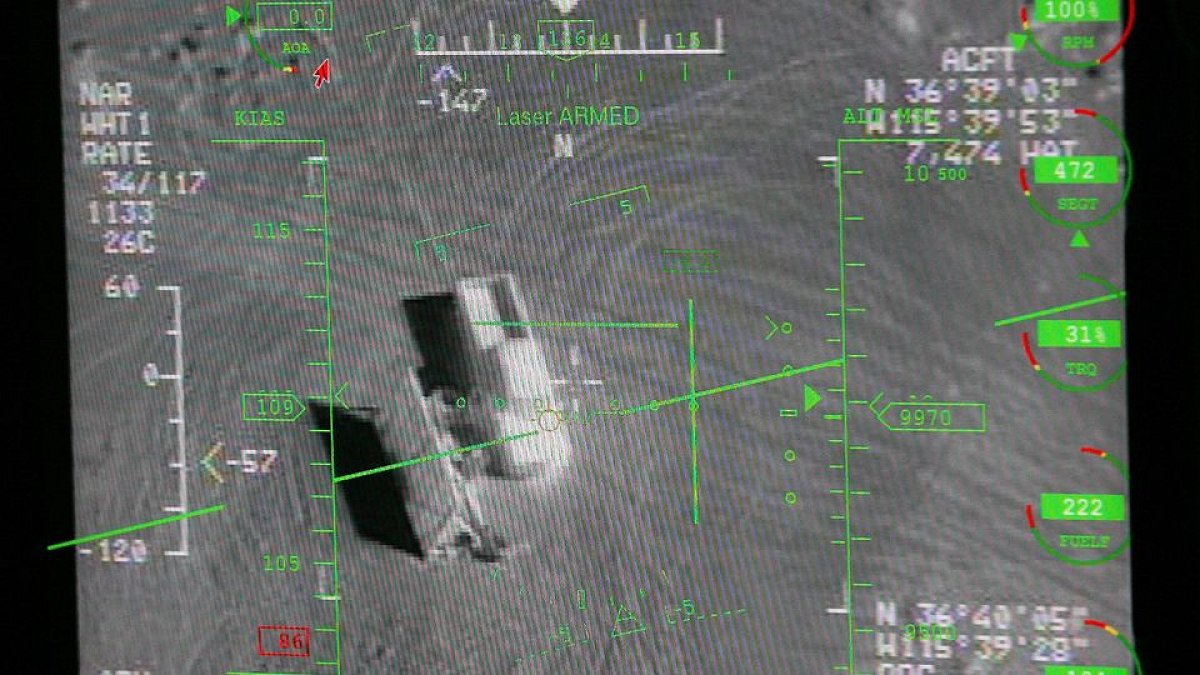
Thus, the most likely effective solution in the near term is passive, physical protection in the form of walls, covers, barriers, etc.
It has its drawbacks, namely cost and in some cases practicality, but physical protection – usually in the form of fully enclosing targets – is permanent. Small FPV drones’ main disadvantage is the small explosive charge they can carry; and drones in general might struggle to penetrate closed doorways and navigate corridors. Moreover, enclosing a target may make it difficult for the drone attacker to even know the target is present. This, of course, is all contextual and situation-specific. In the long term, to the extent to which it is not already being done, possible attack targets may need to fully protect themselves from drone attacks in the same way that protective measures have had to account for other weapons throughout history including rifles and bullets, grenades, vehicle-borne explosives, and other weapons. That is, as new offensive weapons are invented and employed, new defensive countermeasures need to be developed and employed.
One of the best ways to stop non-state actor drone attacks using the same tactics, techniques, and procedures (TTPs) as Israel and Ukraine is to prevent the attacks through investigations. That Russia and Iran were unable to prevent the attacks against their assets on their territories was likely in no large part due to the experience and assets available to national governments – especially ones with extensive wartime and intelligence experience. Non-state actors generally have neither the resources nor the fieldcraft to function at such an effective level – although there is variation between groups and countries. Moreover, drone technologies will continue to evolve and advance. They may become more effective at swarming, and thus require fewer operators.
Preventing an attack generally will require the traditional intelligence and investigative tools, even if oriented towards a new type of threat.
These include
- electronic message interceptions
- undercover operations
- awareness and reporting by the general public of suspicious activities
- and potentially cyberintelligence.
The latter might assist in tracking drone testing and other operations.
Even if an attack occurs, future ones can be prevented through effective and rapid investigations to identify and neutralize the perpetrators. This will include digital forensics of the drones and any associated items; traditional forensics such as DNA and fingerprint detection and identification; identification of perpetrator travel activities including transportation and lodging; CCTV analysis; and crime scene management.
The good news, if there is any, is that these operations may be difficult to conduct (currently) on a whim or with minimal preparation. These types of attacks are far more complicated than a vehicle ramming attack or mass shooting.
Both the Israeli and Ukrainian operations required over a year of planning, with probably a substantial commitment of personnel and other resources. Moreover, as governments they had access to explosives that non-state actors might not necessarily have access to.
Non-state actors typically confront a difficult tradeoff between an operation’s complexity, size, and scope and information security. Small and simple tends to have a higher chance of success than large and complicated – although innumerable terror attacks and operations illustrate that non-state actors are capable of substantial operations. But the more people involved, the more material involved, and the longer the planning goes the more likely it is that a non-state actor’s operation will be compromised.
Lastly, there are some precautions states and organizations may take to mitigate these types of threats. First, to the extent possible, potential targets may attempt to be unpredictable by varying routines, for example. Second, information security procedures such as not posting real-time updates about locations and activities, or offering advanced scheduling information (when applicable) can complicate non-state actor’s targeting.
**Perhaps most effectively, states and organizations should train to deal with this type of threat. ** **Police and protective forces and organizations should train in protection, response, and investigation. Non-governmental entities should train in what is most applicable to them. **
Training should involve skills-building through classroom instruction and field training, and exercising scenarios and situations in all three phases of mass drone threats: prevention, active defense, and post-incident investigation. The adage “train as you fight” applies well to the emerging massed drone threat.