PIN at “Diversity, Equity & Inclusion (DE&I) Strategy Conference" in Tuscany to discuss AI
Published on 28th March, 2026
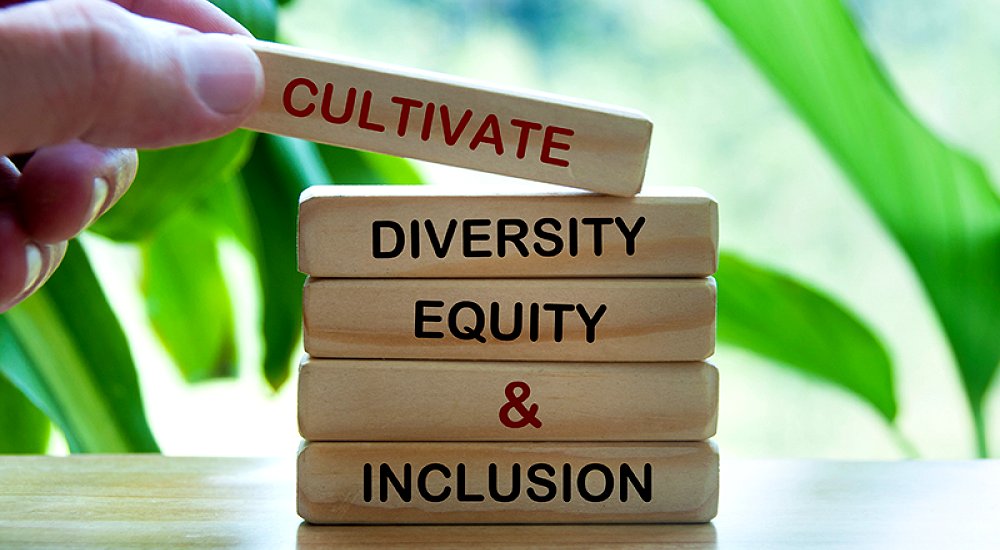
Diversity, Equity & Inclusion(DE&I) refers to the commitment to ensure fair treatment, equal opportunities, and a respectful environment for all individuals — recognising differences while actively preventing discrimination and harm.
At the recent “DE&I Strategy conference" organised by Azienda Usl Toscana Sud Est at the Misericordia Hospital in Grosseto, Protective Intelligence Network contributed to a multidisciplinary discussion addressing diversity, inclusion, and emerging societal risks.
The event brought together over 250 participants, including institutional representatives, healthcare leaders, and academic experts.
Among the key figures were Eugenio Giani, President of the Tuscany Region, Monia Monni, Regional Councillor for Health, and Marco Torre, Director General of Azienda USL Toscana Sud Est.
Further academic contributions included Fabrizia Giuliani (Sapienza University of Rome), who examined the evolution from Codice Rosa to structured DE&I strategies, and Francesco Natalini (Ca’ Foscari University in Venice), who addressed leadership responsibilities in preventing workplace violence and harassment.
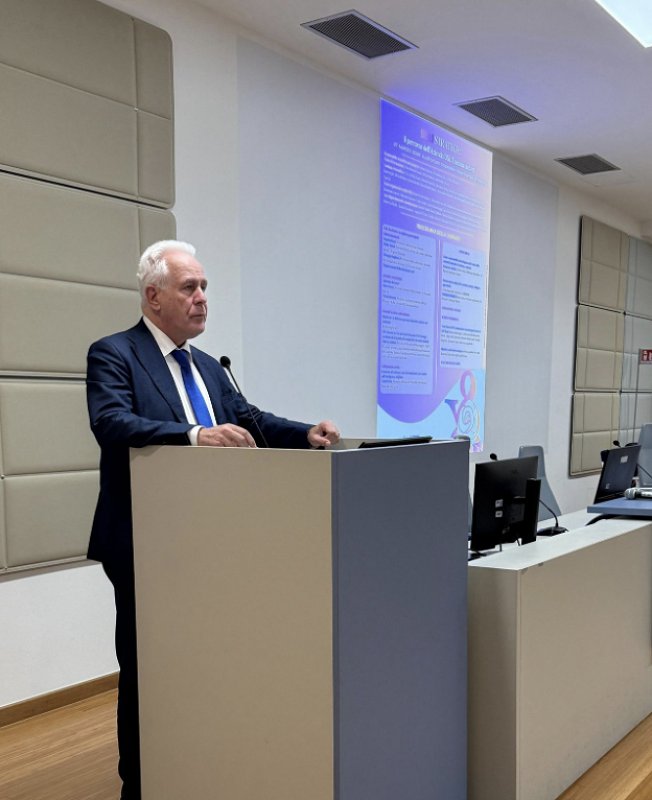
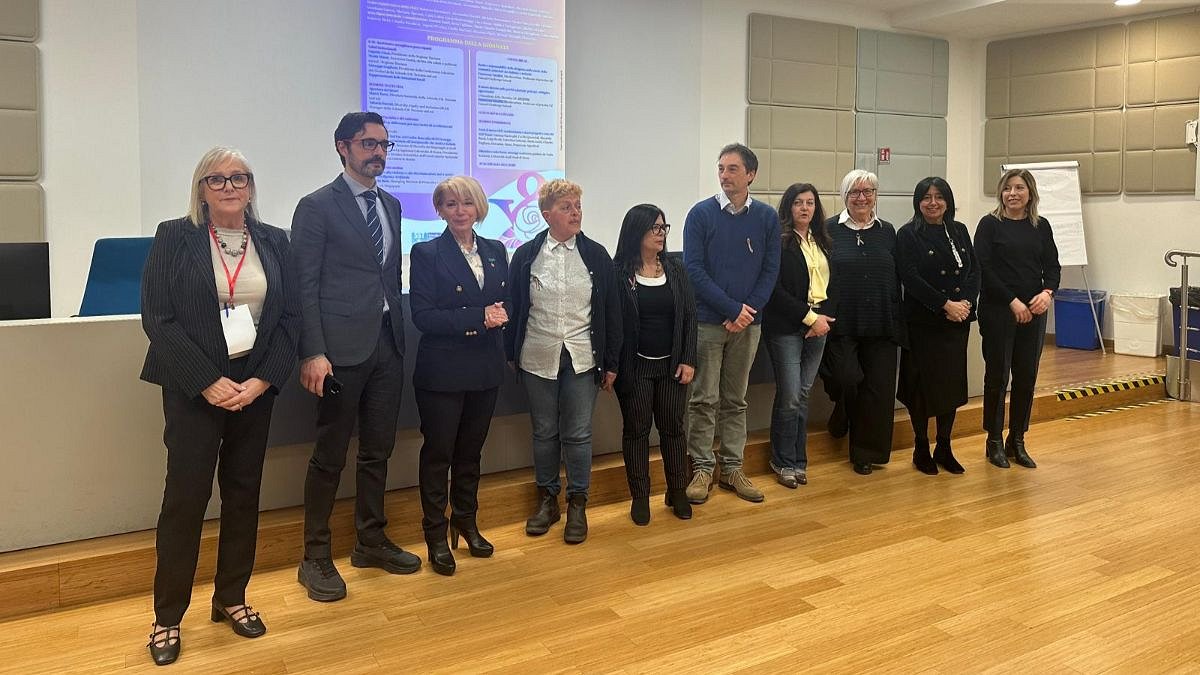
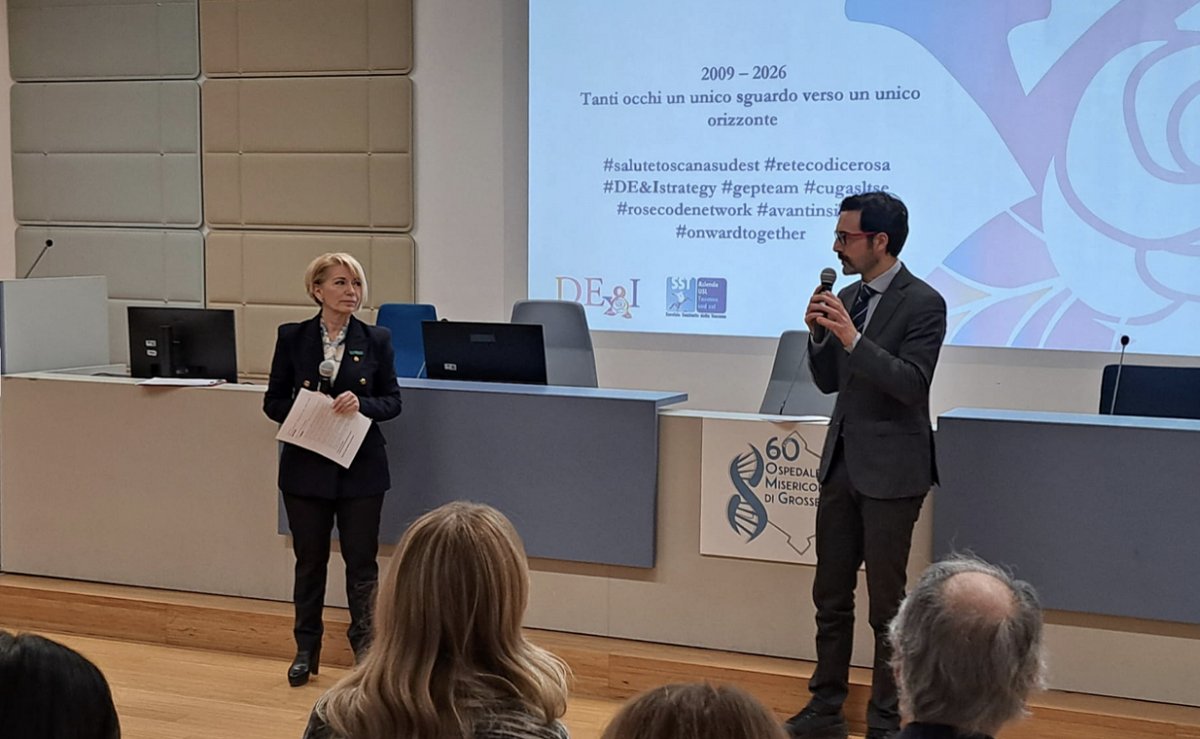

A central role in shaping the initiative was played by Vittoria Doretti, DE&I Manager and creator of the Codice Rosa model.
Codice Rosa is a nationally recognised framework, a triage and care protocol used in hospital emergency departments to identify people who may be victims of domestic violence, sexual assault, or gender-based violence. The model has also been presented in Singapore at Singapore University of Social Sciences, where Prof. Martina Focardi, from the University of Florence, discussed it in the context of academic lectures on child abuse and violence.
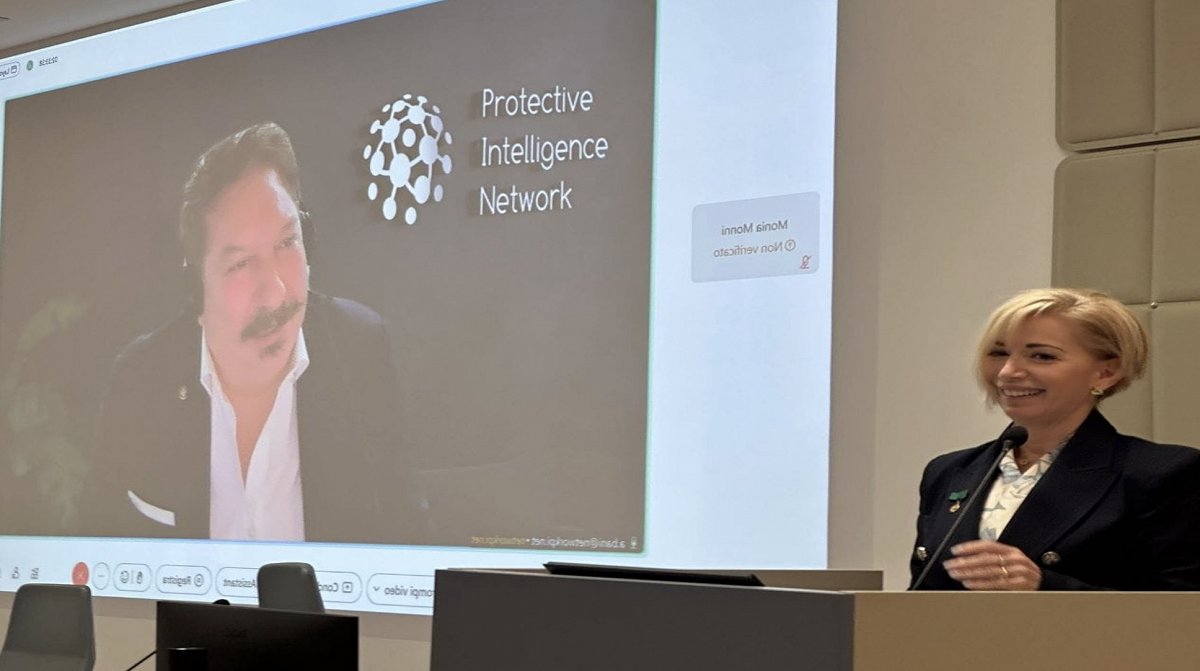
Participating remotely from Singapore, Angelo Bani, Managing Director of Protective Intelligence Network, delivered an intervention titled: “Countering Violence and Discrimination: Lights and Shadows of Artificial Intelligence.”
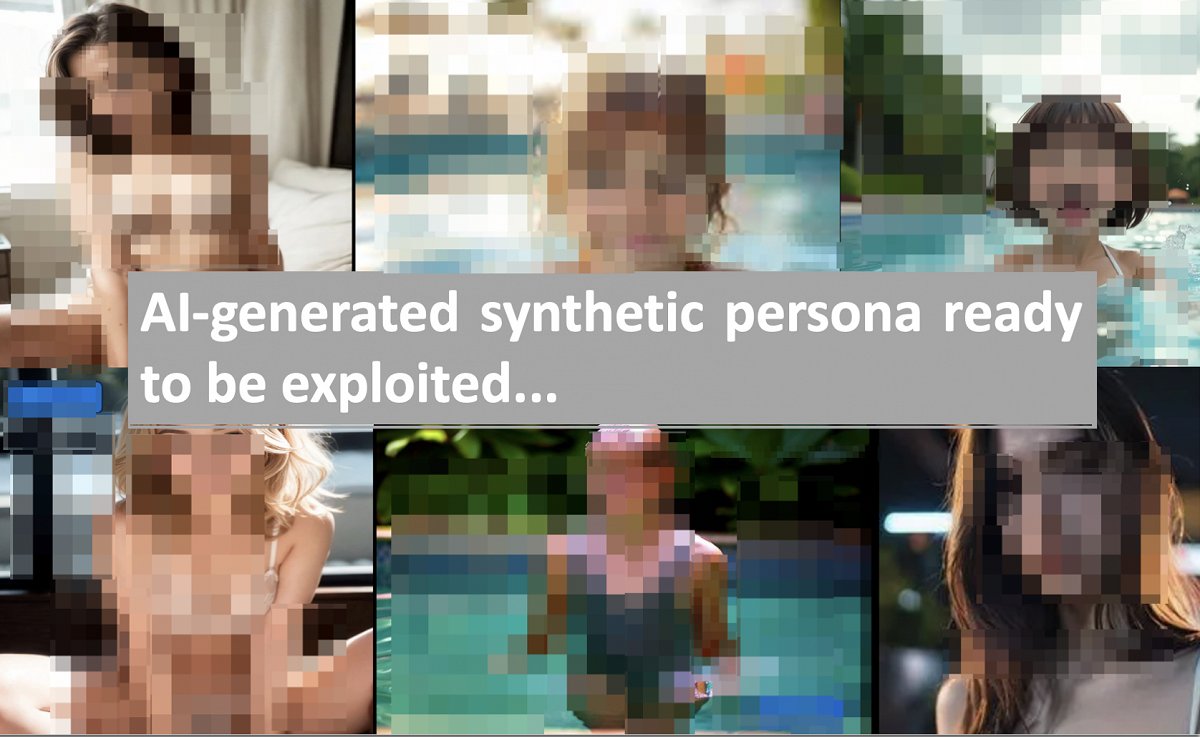
The presentation examined how artificial intelligence is currently being exploited to amplify online risks, particularly affecting vulnerable individuals, women, and younger demographics.
Key areas addressed included:
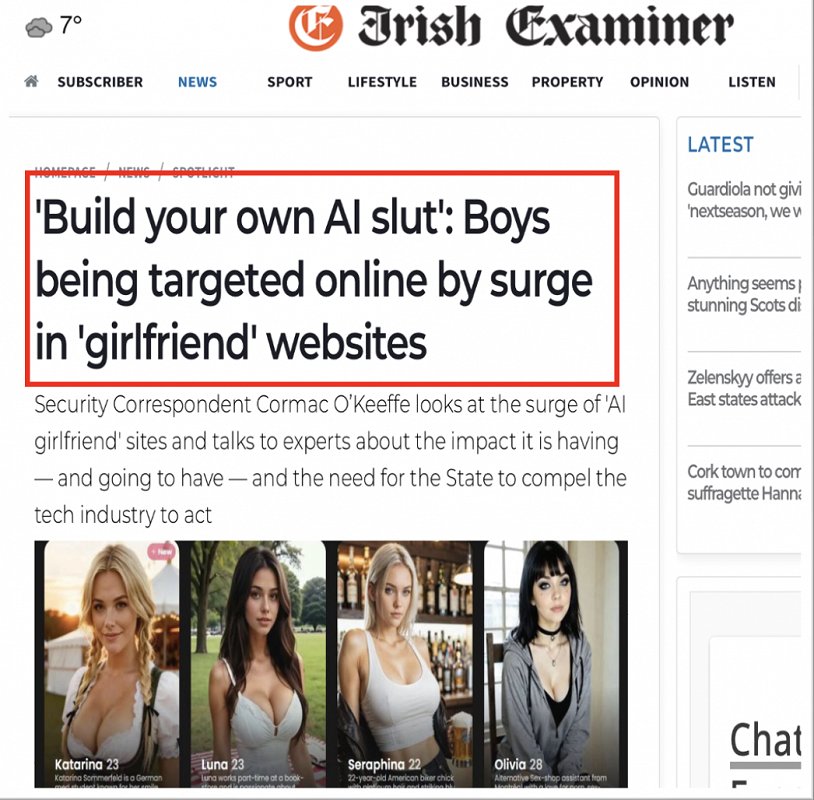
- The spread of “nudifying” applications generating non-consensual intimate images The rise of AI-generated virtual companions, engaging in simulated sexual interactions with young users
- The increasing use of deepfake technologies for identity manipulation and abuse
- The emergence of synthetic representations of minors in child sexual abuse material (CSAM)
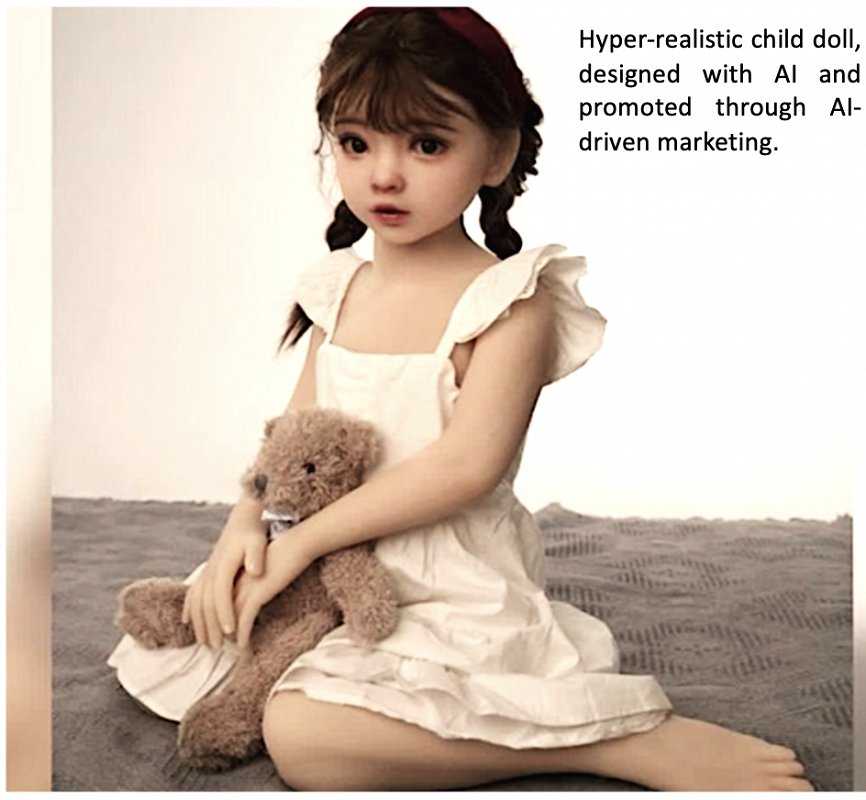
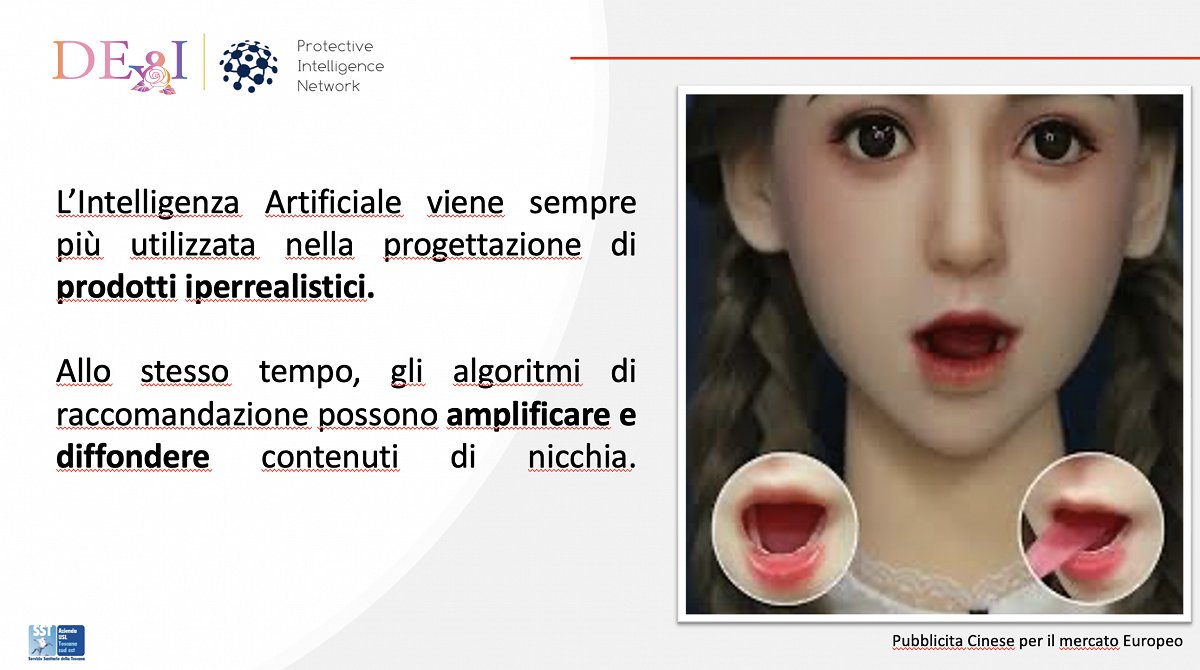
- AI-supported design of hyper-realistic sexualised objects, raising complex ethical and legal concerns
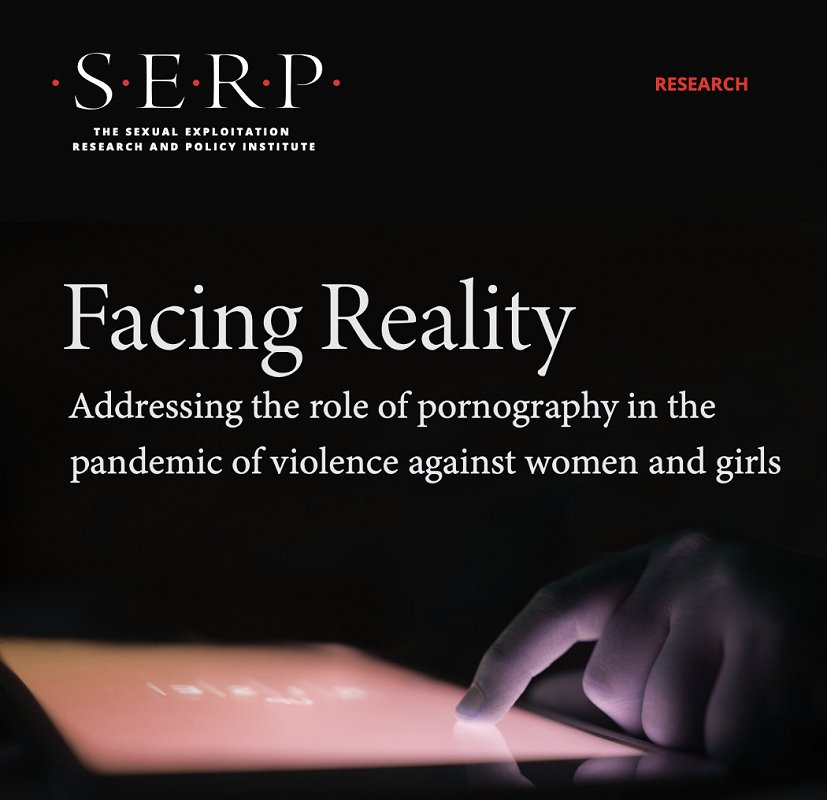
- The relationship between online pornography consumption and real-world gender-based violence
The intervention deliberately addressed difficult and, at times, disturbing realities. Its inclusion within the DE&I framework was intentional
Diversity, Equity & Inclusion cannot be fully addressed without understanding the evolving digital environments where discrimination, exploitation, and violence are increasingly taking shape.

Artificial intelligence is 'democratic', but not neutral.
While it offers significant opportunities, its misuse can reinforce harmful narratives, normalise abuse, and create new vectors of victimisation — particularly against women and minors.
This is where DE&I becomes operational, not theoretical.
Diversity, Equity & Inclusion is not only about representation, it is about protecting dignity, ensuring safety, and addressing the conditions that enable discrimination and harm, including those emerging in digital environments.
Despite the challenging nature of the content, the presentation was well received by participants, who recognised it as a necessary contribution.
It certainly served as an eye-opener on the scale and sophistication of online threats enabled by modern AI capabilities, and on the urgent need for awareness, preparedness, and coordinated response across sectors.